

Wood Guide · Africa
African Hardwoods
Hardness, density and care — compared with European oak, in plain language.
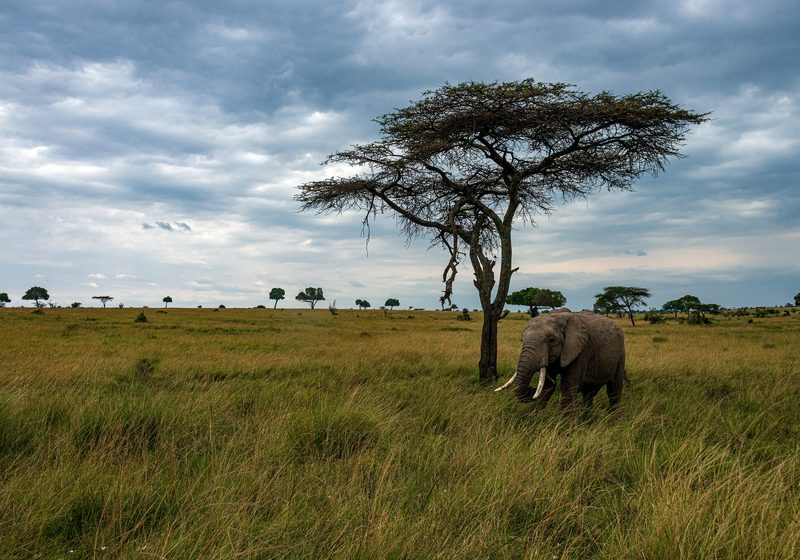
Photo: Daniel Case, CC BY-SA 4.0
New here? Read Why boards differ on the Wood Guide overview — then compare species below.
Faint bar = European oak reference
African Species at a Glance
CITES checked vs Appendices 5 Mar 2026
 CITES
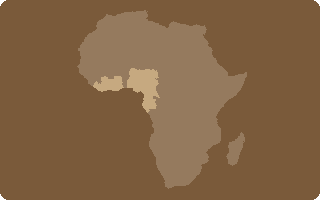
African Mahogany
Khaya spp. (trade group)
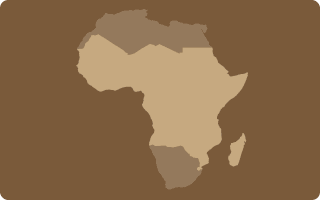
-24% vs European oak hardness · -19% denser
Colour & grain: Pink–reddish brown, often ribbon figure. May deepen slightly with light and oil
Suitable forServingDecor
Lighter tropical option. African populations of Khaya are CITES Appendix II (#17) as of 5 Mar 2026 — verify species and documents.
Iroko
Milicia excelsa / M. regia
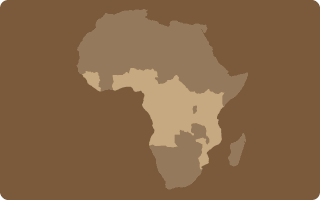
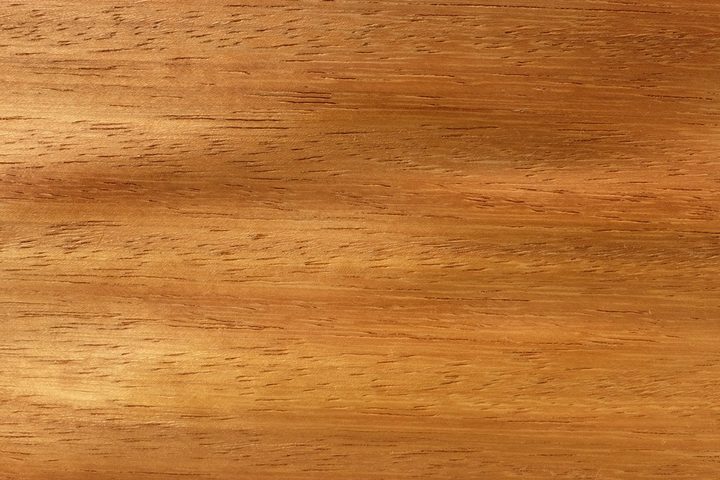
+6% harder than European oak · -2% denser
Colour & grain: Golden to warm brown, coarse open grain. Fresh gold → richer brown over time
Suitable forServingDecorOutdoor accents*
Sometimes marketed as “African teak” — it is not teak. Not CITES-listed.
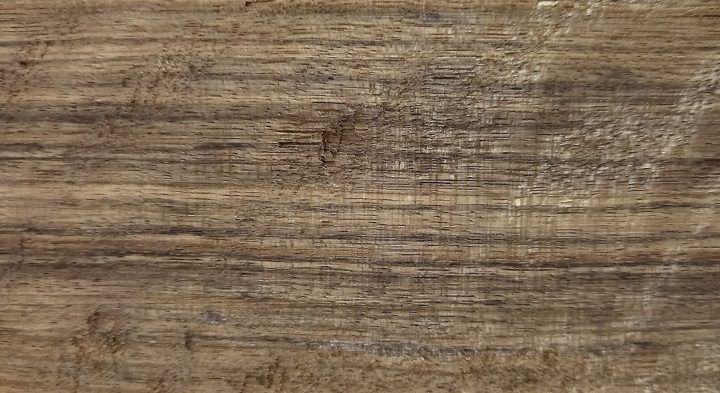
Ovangkol
Guibourtia ehie (shedua / amazakoué)
+19% harder than European oak · +22% denser
Colour & grain: Yellowish to reddish brown with darker brown, grey or black stripes. Warms and deepens slightly with oil and light
Suitable forServingDecorAccents
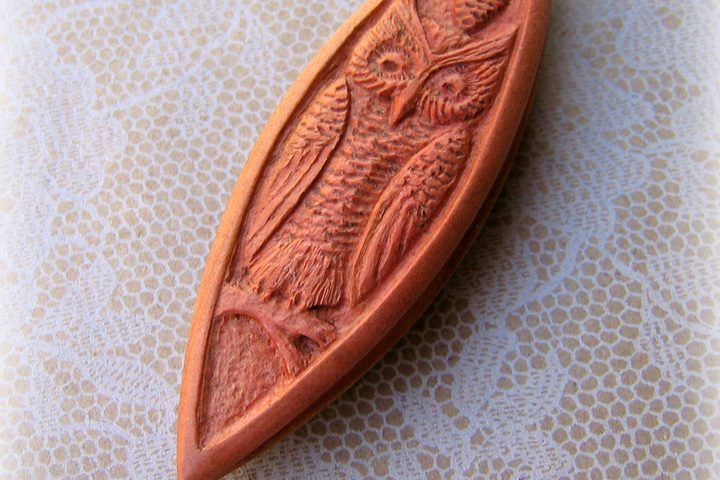
Same genus as bubinga, but G. ehie is not CITES-listed (only G. demeusei / pellegriniana / tessmannii are). IUCN: least concern. Contains silica — tough on tools. Photo: rough-sawn sample (CC0).
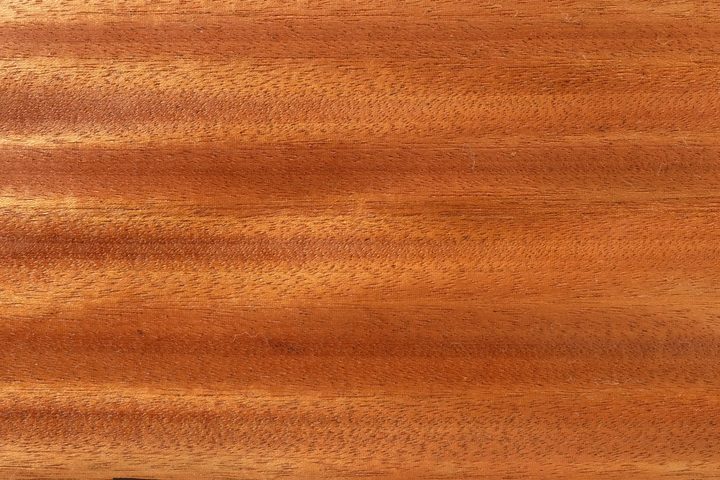
Sapele
Entandrophragma cylindricum
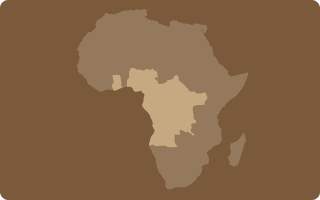
+21% harder than European oak · -1% denser
Colour & grain: Reddish–golden brown, ribbon stripe. Deepens with oil; fairly stable hue
Suitable forServingDecor
Mahogany-like look, separate species. Not CITES-listed.
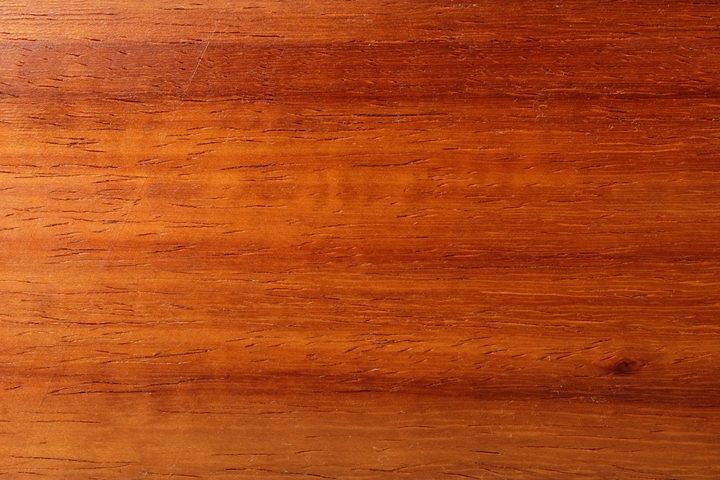 CITES
African Padauk
Pterocarpus soyauxii
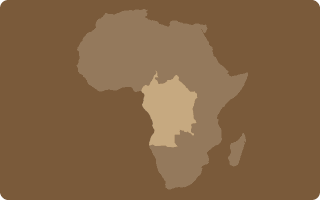
+53% harder than European oak · +10% denser
Colour & grain: Vivid orange-red when fresh, open pores. Shifts to deeper red-brown / brown
Suitable forDecorAccent stripsServing*
African populations of Pterocarpus (incl. P. soyauxii) are CITES Appendix II (#17). Distinct from kosso (P. erinaceus), which is the same genus listing.
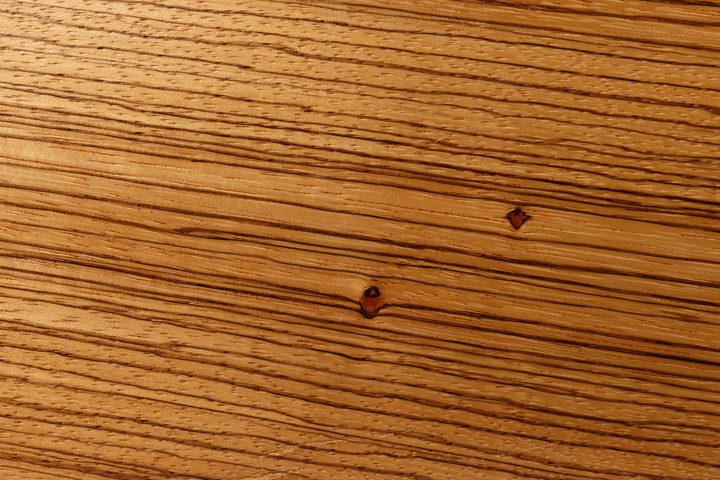
Zebrano / Zebrawood
Microberlinia brazzavillensis
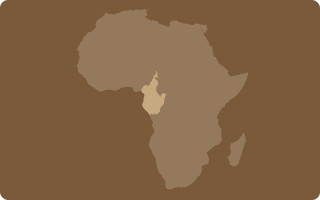
+63% harder than European oak · +19% denser
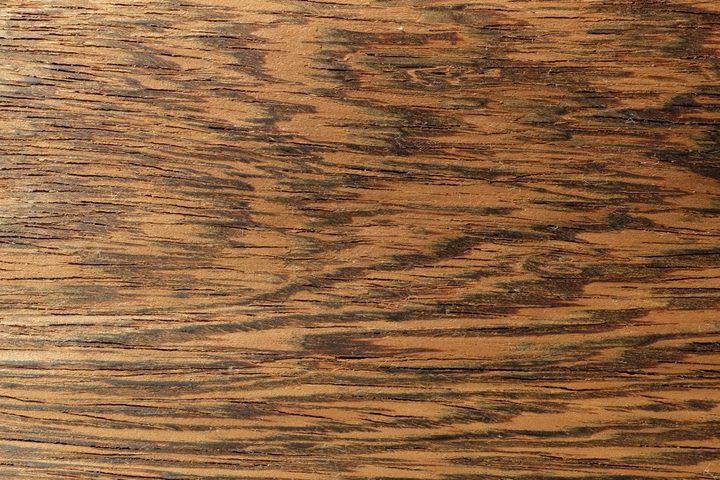
Colour & grain: Pale ground with bold dark stripes. Contrast stays strong; oil deepens tones
Suitable forDecorAccents
Showpiece grain; high movement risk if poorly dried. Not CITES-listed.
Wenge
Millettia laurentii
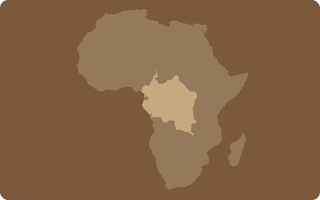
+72% harder than European oak · +29% denser
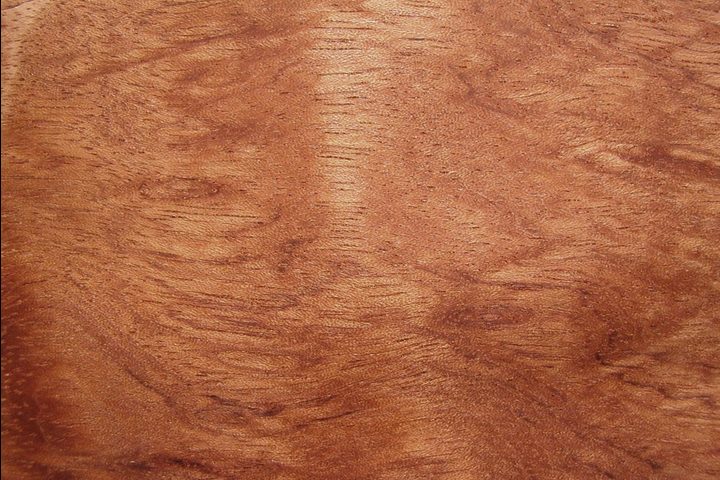
Colour & grain: Near-black with coarse dark lines. Stays very dark; finish can look almost black
Suitable forDecorAccents
Splintery edges; heavy on tools. Not CITES-listed; still prefer documented sourcing.
 CITES
Bubinga
Guibourtia demeusei / G. pellegriniana / G. tessmannii
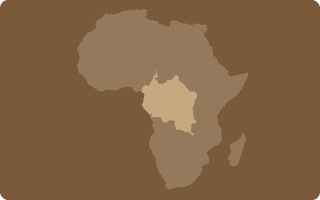
+115% harder than European oak · +32% denser
Colour & grain: Pink-red to reddish brown, often figured. Warm tones deepen with age and oil
Suitable forDecorPremium accents
These three Guibourtia species are CITES Appendix II (#15). Other Guibourtia are not automatically listed — identity matters.
 Rare
Pink Ivory
Berchemia zeyheri · southern Africa
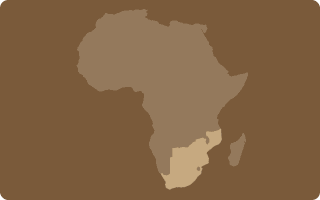
+188% harder than European oak · +53% denser
Colour & grain: Pale brownish pink to vivid pink or deep red; fine dense grain. May fade / brown with UV & time
Suitable forSmall decorAccentsInlaysPens / knife handles (not large boards)
Often called “rarer than diamonds”: scarce commercial wood; protected/harvest-controlled in South Africa (verify status). Not CITES-listed per Appendices 5 Mar 2026. Photo: carved CC BY object, not a flat board sample.