
Oak & Ore · Wood knowledge
The Oak & Ore Hardwood Guide
Start with why boards differ — then explore woods by region.
Not sure which wood you need?
Find Your Wood
Choose colour, hardness, how it ages and what you will use it for — then compare two woods side by side. Olive wood, our signature Mediterranean hardwood, is featured first.
Why Boards Differ
A cutting board is not “just a board.” Species, how the wood is cut and glued, and how it is finished change how it looks on day one, how knife marks show, how it ages, and why one piece costs €5 and another €95.
- Look for: named species
- Look for: how it will age
- Look for: hardness vs knife marks
- Look for: oiling / care needs
- Look for: one-of-a-kind grain
- Look for: honest origin
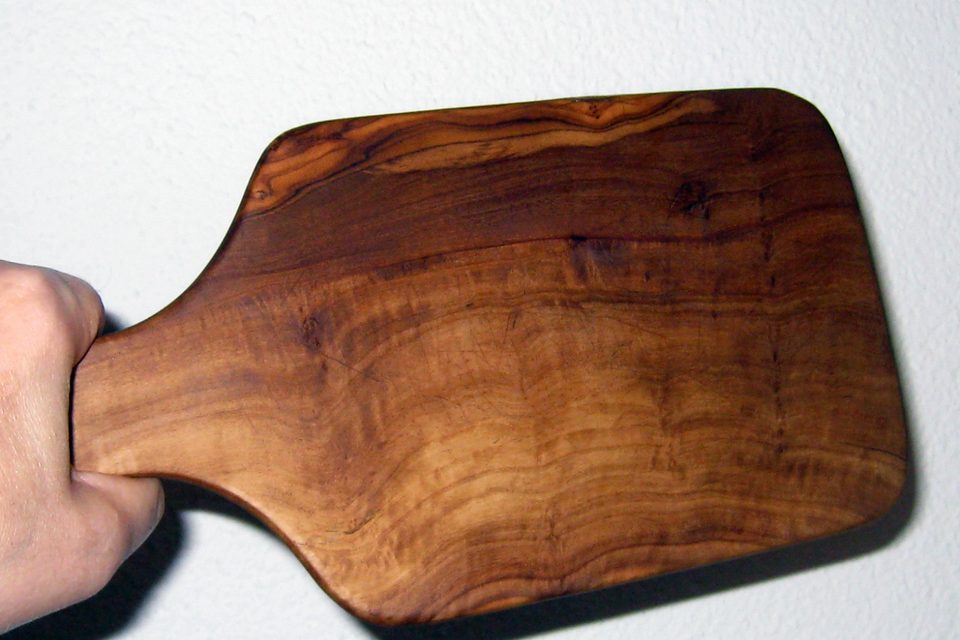
Olive Wood
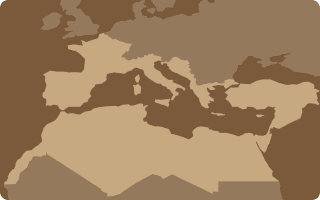
Olea europaea · Mediterranean, including Croatia (Istria & Dalmatia)
+142% harder than European oak · +45% denser
Unique swirling grain — every board one of a kind; yellow to light reddish brown with darker veins. Colour: Deepens / ambers with age and oil.
Suitable forServing boardsSmall kitchen pieces
Dense and fine-textured; needs regular oiling. May check if dried badly or left soaking wet. Not CITES-listed.
Signature wood: full cards on the European page — every olive serving board is unique.
Explore by Region
Buyer cards with hardness, density and care